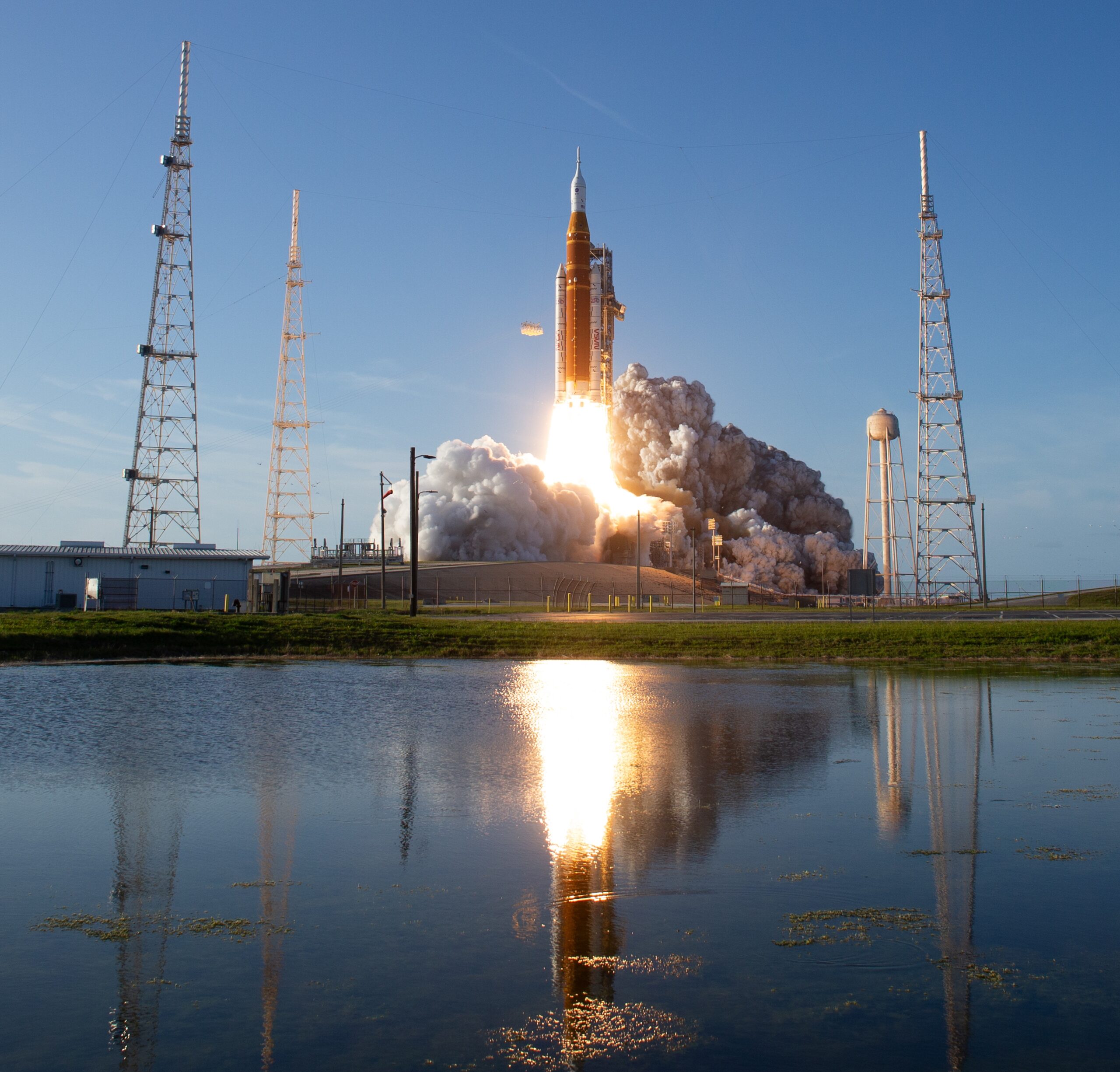
Even from a distance of several kilometres, the Artemis II rocket looked huge.
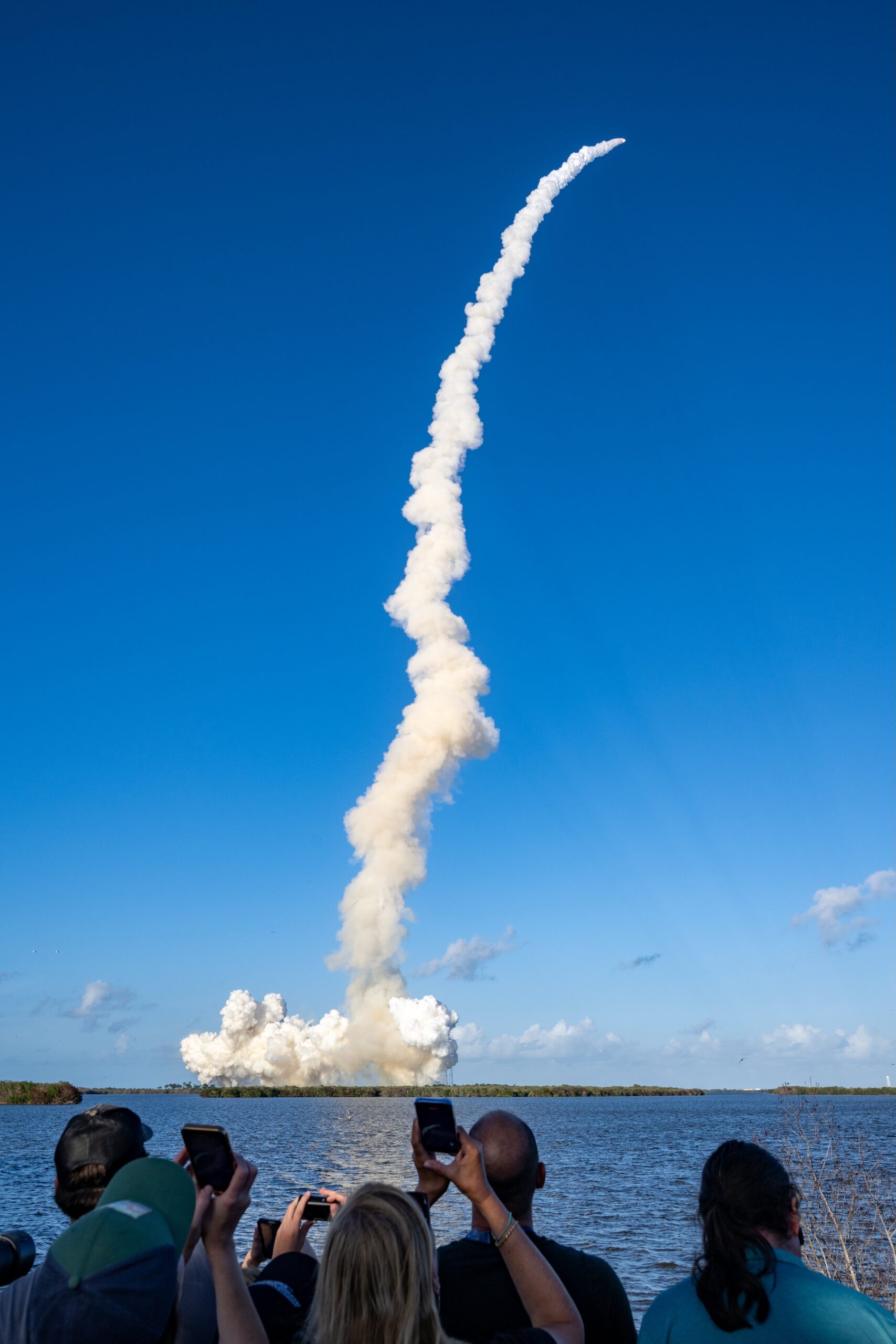
Then, there was a moment that felt like an eternity, as around 2,600 metric tons of spacecraft lifted off.
I was honoured to receive an invitation from the Canadian Space Agency to attend this historic launch at NASA’s Kennedy Space Center. I am a professor, an explorer and a planetary geologist. As a member of the First Artemis Lunar Surface Science Team, I have been supporting NASA in developing the geology training for Artemis astronauts.
This launch was one of the most thrilling, but stressful few minutes of my life. Space missions are hard and can be dangerous, especially missions like this where there are so many firsts.
The final 10-second countdown seemed to come so quickly, and then at 6.35 p.m., EDT, on April 1, 2026, the NASA launch commentator uttered those famous words: “We have liftoff.”
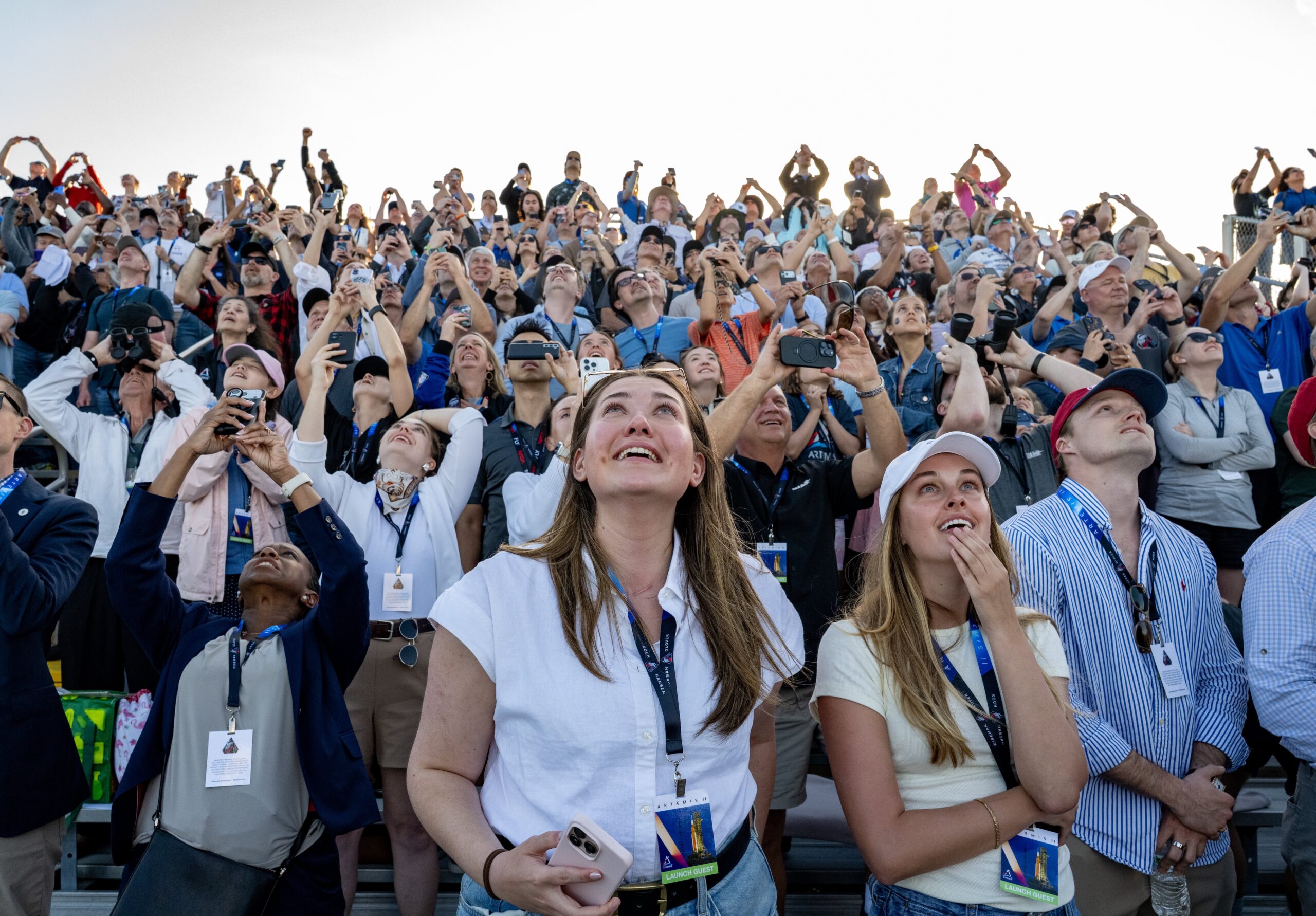
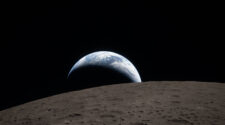
I think everyone around me held their breath for those first few critical seconds, and then the significance of the moment sank in. We had just witnessed history in the making. This was the launch of the first crewed flight of NASA’s Artemis program, and the first time since 1972 that humans have ventured to the Moon.
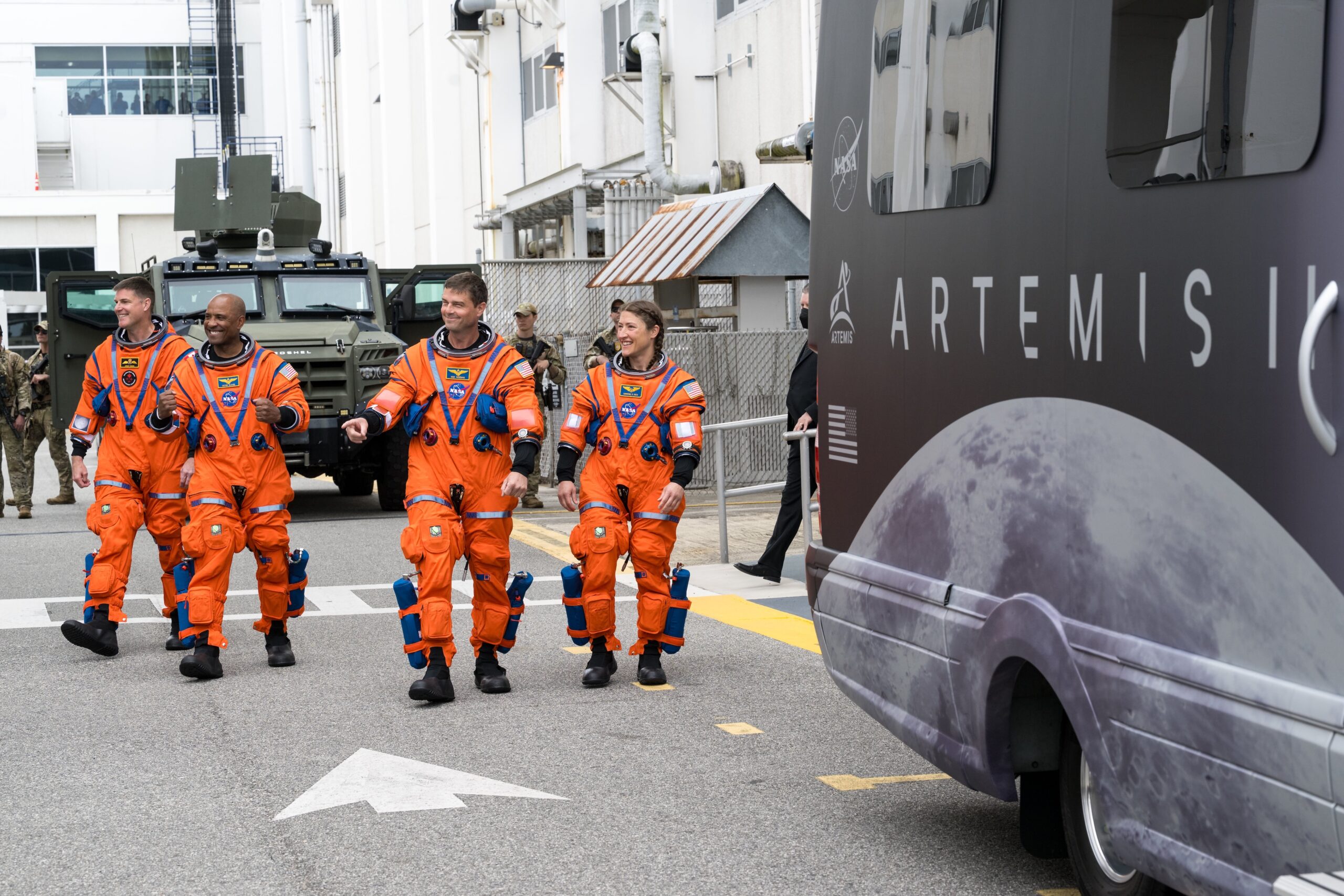
Jeremy Hansen will be the first non-American to fly to the Moon and will make Canada only the second country in the world to send an astronaut into deep space.
Christina Koch and Victor Glover will also make history as the first woman and person of colour to fly to the Moon.
The build up to launch
The first launch windows for Artemis II came and went earlier this year, following issues discovered during wet dress rehearsals. But this time felt different. NASA rolled out the SLS (Space Launch System) rocket on March 20 and decided to skip the wet dress rehearsal and go straight for launch.
You could sense the confidence building.
On the evening before launch day, the Canadian Space Agency held a reception for all the Canadian invitees, as well as several NASA guests. It was like a “who’s who” of the Canadian space program, including most of Canada’s retired astronauts.
There were some lighthearted moments — like when MDA Space CEO Mike Greenly announced there were the limited edition Tim Hortons “moonbits” for all — but you could tell there was also a lot of emotion in the room.
There were some tears as a video message from Jeremy Hansen’s son, Devon, was played. For me the moment came when I spoke with Jeremy’s parents, who I had met several years earlier. They still live in Ingersoll, not far from London, Ont., where Jeremy went to high school.
Returning humans to the Moon
At the time of writing, the crew have now had their first sleep in Integrity, the name of their Orion spacecraft.
They are now in a high-Earth orbit, reaching a maximum of 74,000 km from Earth. This is already a huge distance when you consider the orbit of the International Space Station is only around 400 km.
During this first 24 hours, the crew are testing the environmental controls and life support systems, ensuring that everything they need to survive for the next 10 days in space works. If everything looks good, NASA will clear the crew to conduct the translunar injection, and send Integrity to the Moon.
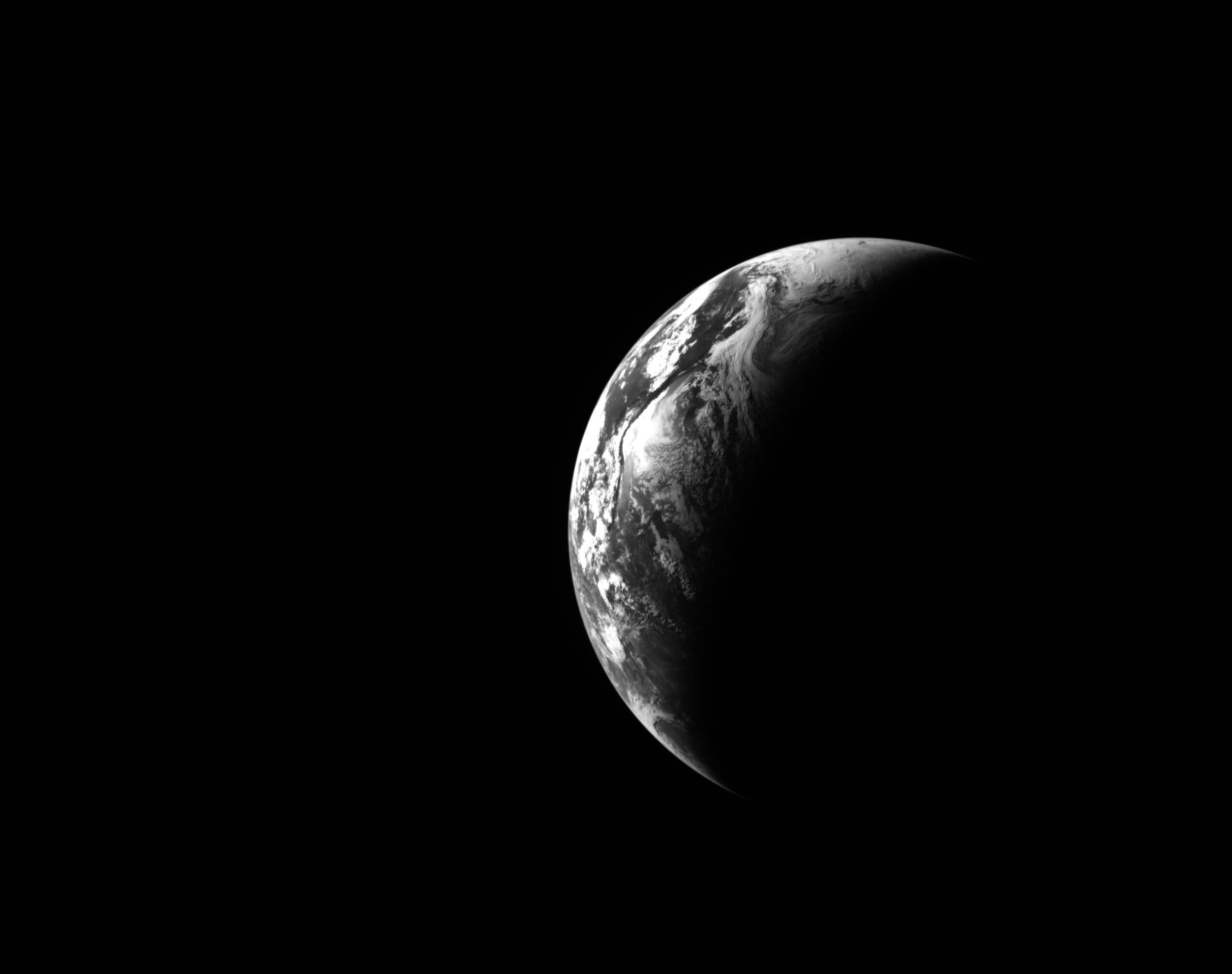
While they won’t be landing, in addition to testing out the Orion spacecraft, the Artemis II crew will be conducting science. They will be working with scientists and engineers in a new science evaluation room in mission control at the NASA Johnson Space Center, to collaborate during operations in real time.
This builds on years of testing and simulations the teams have done together and lays the groundwork for the first surface Artemis mission.
Before the launch, NASA astronaut Christina Koch summed up the feelings of everyone I’ve met on the Artemis program: “It is our strong hope that this Artemis mission is the start of an era where everyone, every person on Earth can look at it and think of it as also a destination.”
I couldn’t agree more.
This article is republished from The Conversation under a Creative Commons license.