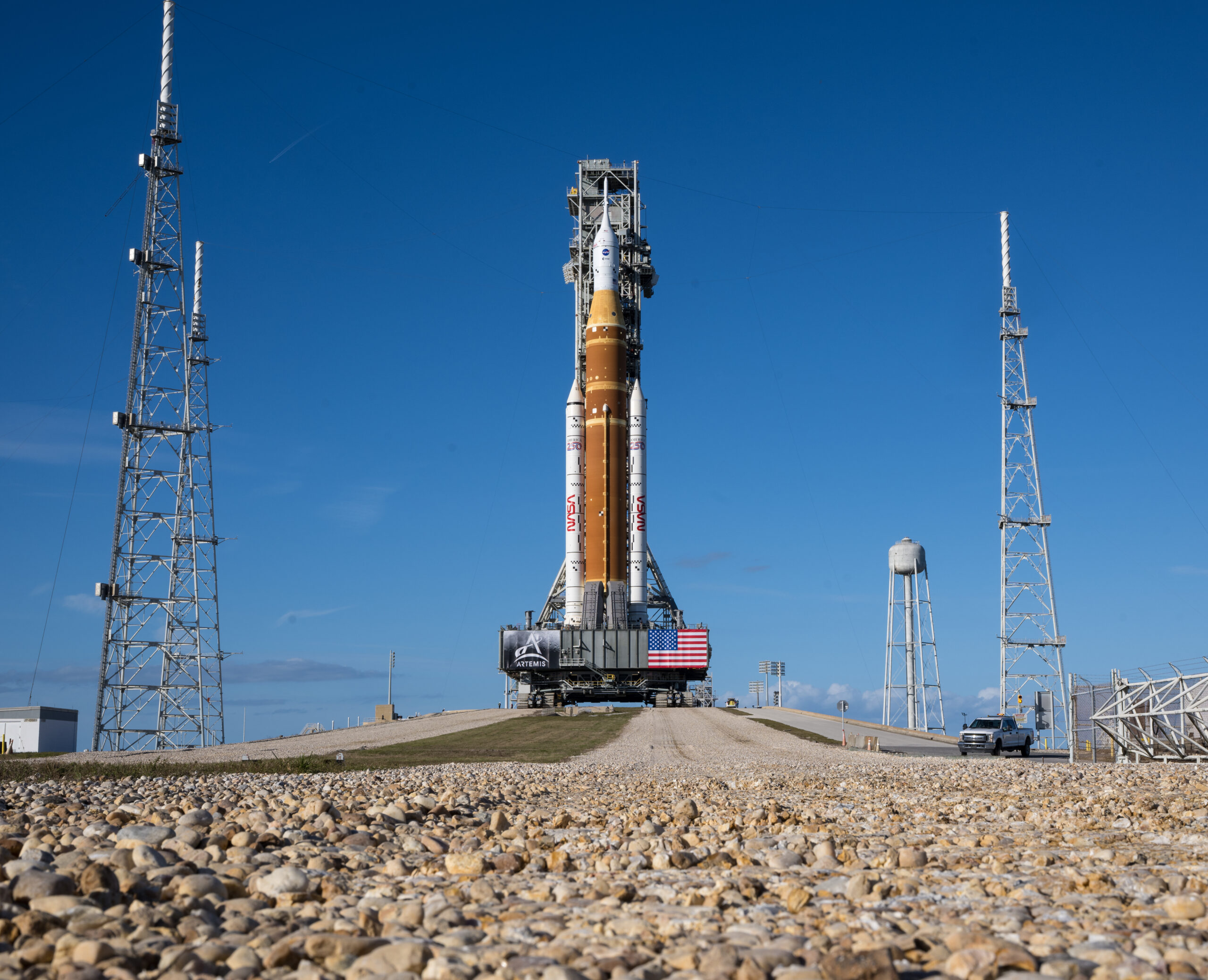
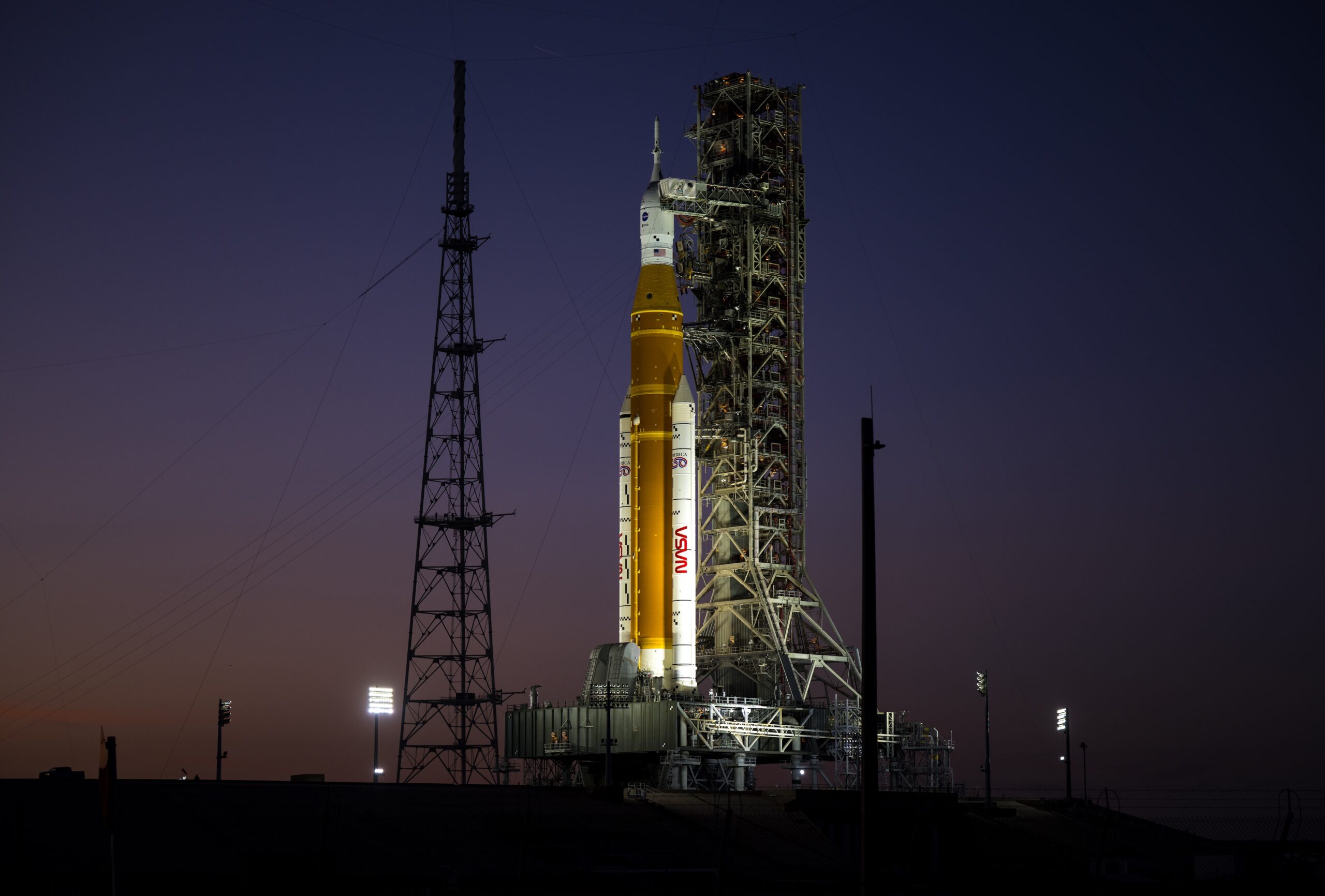
Almost as tall as a football field, NASA’s Space Launch System rocket and capsule stack traveled slowly – just under 1 mile per hour – out to the Artemis II launchpad, its temporary home at the Kennedy Space Center in Florida, on Jan. 17, 2026. That slow crawl is in stark contrast to the peak velocity it will reach on launch day, over 22,000 miles per hour, when it will send a crew of four on a journey around the Moon.
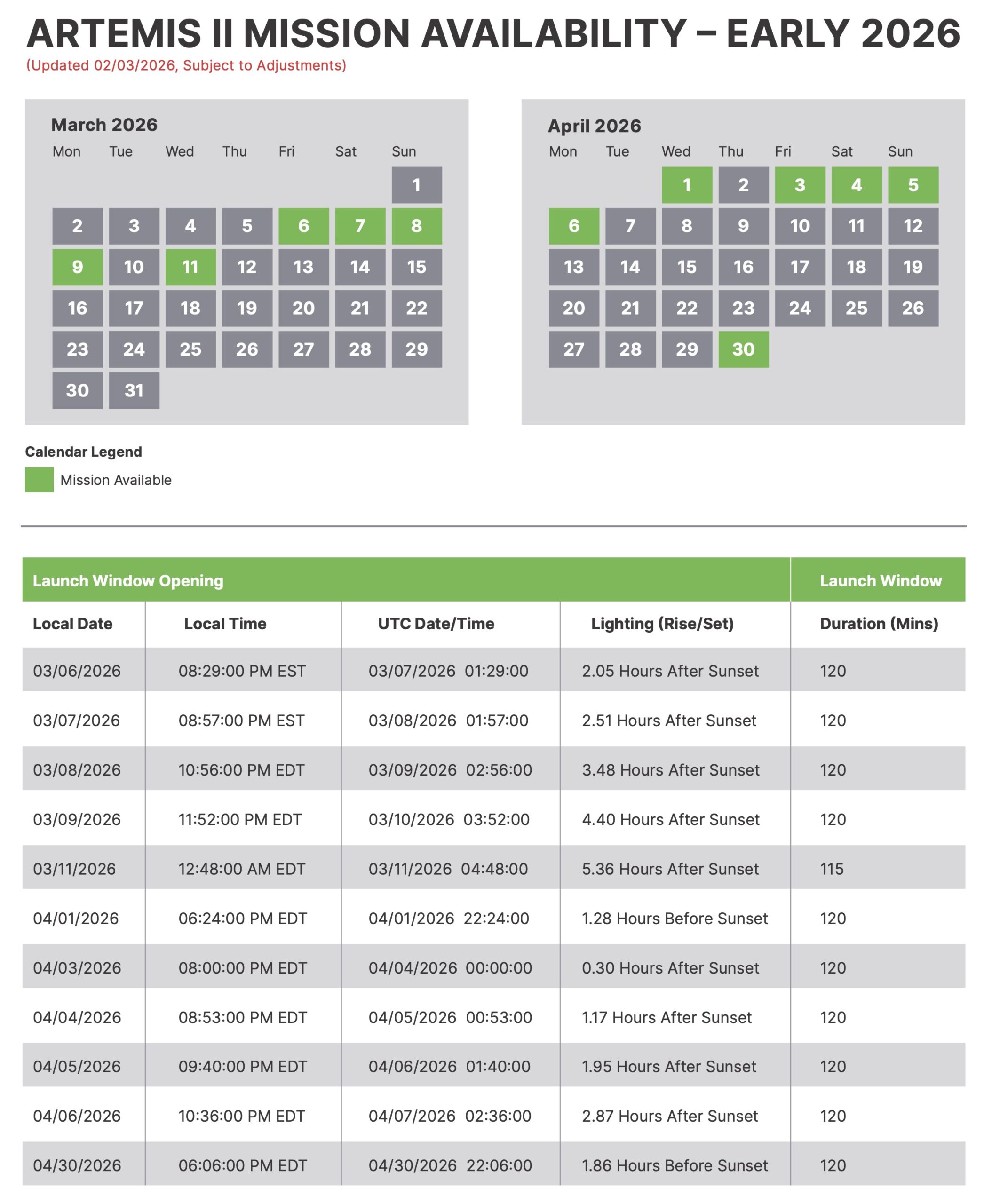
A rocket launch is always at the mercy of a variety of factors outside of the launch team’s control – from the literal position of the planets down to flocks of birds or rogue boats near the launchpad. Artemis II is currently slated to launch as early as April 1, 2026 after the rocket stack completed the second Wet Dress Rehearsal this week. However, it may not launch until later in April or May due to the rocket needing to be rolled back the Vehicle Assembly Building for diagnosis and repair after NASA ran into problems repressurizing the upper stage helium tanks on Feb. 20. In fact, April already represents a delay from the initially estimated February launch opportunity.
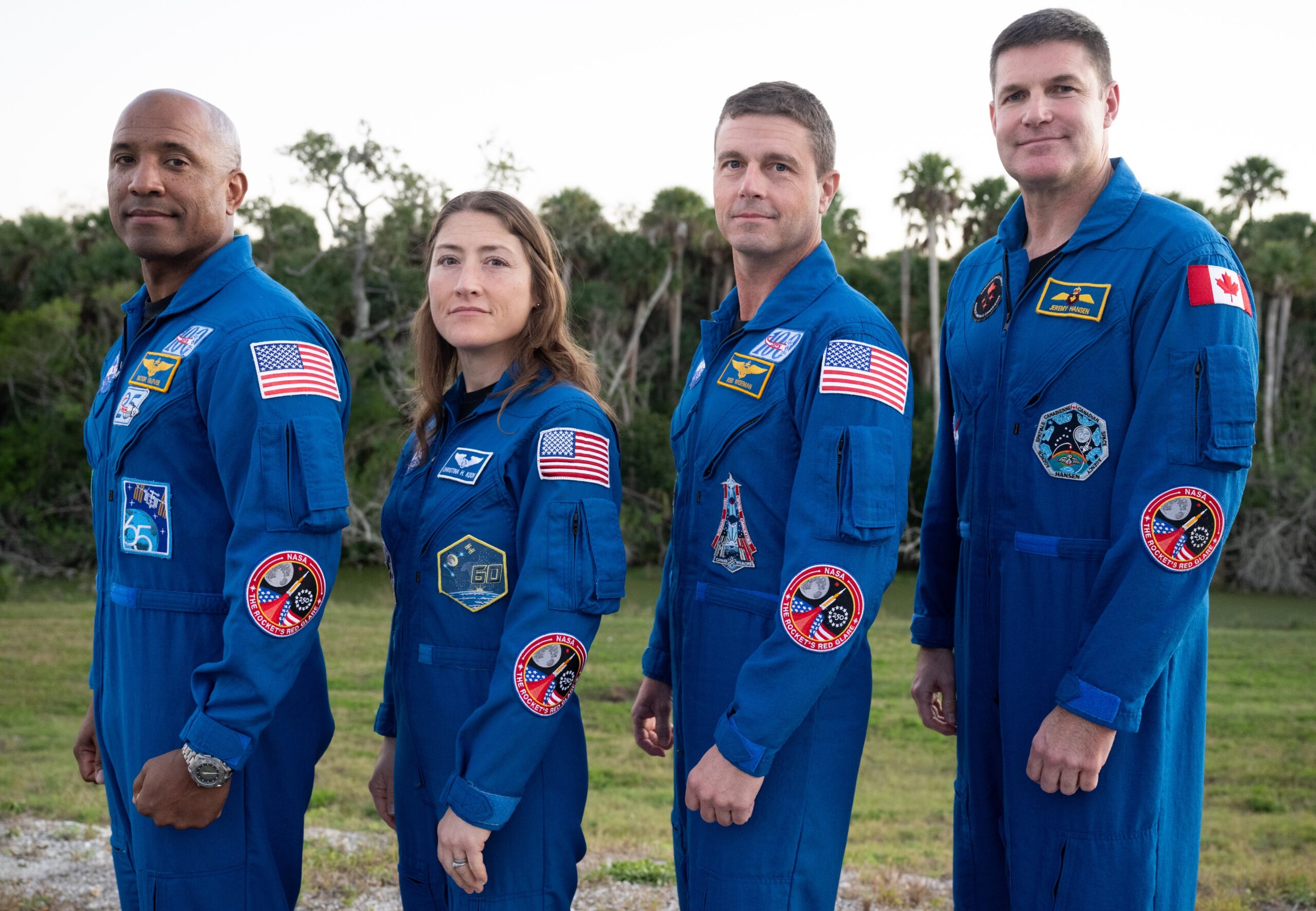
Artemis II’s goal is to send people to pass by the Moon and be sure all engineering systems are tested in space before Artemis III, which will land astronauts near the lunar south pole.
If Artemis II is successful, it will be the first time any person has been back to the Moon since 1972, when Apollo 17 left to return to Earth. The Artemis II astronauts will fly by the far side of the Moon before returning home. While they won’t land on the surface, they will provide the first human eyes on the lunar far side since the 20th century.
To put this in perspective, no one under the age of about 54 has yet lived in a world where humans were that far away from Earth. The four astronauts will orbit the Moon on a 10-day voyage and return through a splashdown in the Pacific Ocean. As a planetary geologist, I’m excited for the prospect of people eventually returning to the Moon to do fieldwork on the first stepping stone away from Earth’s orbit.
Why won’t Artemis II land on the Moon?
If you wanted to summit Mount Everest, you would first test out your equipment and check to make sure everything works before heading up the mountain. A lunar landing is similar. Testing all the components of the launch system and crew vehicle is a critical part of returning people safely to the surface of the Moon and then flying them back to Earth.
And compared to the lunar surface, Everest is a tropical paradise.
NASA has accomplished lunar landings before, but the 54-year hiatus means that most of the engineers who worked on Apollo have retired. Only four of the 12 astronauts who have walked on the Moon are still alive.
Technology now is also vastly different. The Apollo lunar landing module’s computer only had about 4 kilobytes of RAM. A single typical iPhone photo is a few megabytes in size, over 1,000 times larger than the Apollo lunar landing module’s memory.
The two components of the Artemis II project are the rocket (the Space Launch System) and the crew capsule. Both have had a long road to the launchpad.
The Orion capsule was developed as part of the Constellation program, announced in 2005 and concluded in 2010. This program was a President George W. Bush-era attempt to move people beyond the space shuttle and International Space Station.
The Space Launch System started development in the early 2010s as a replacement vehicle for the Ares rocket, which was meant to be used with the Orion capsule in the Constellation program. The SLS rocket was used in 2022 for the Artemis I launch, which flew around the Moon without a crew. Boeing is the main contractor tasked with building the SLS, though over 1,000 separate vendors have been involved in the rocket’s fabrication.
The Apollo program, too, first sent a crewed capsule around the Moon without landing. Apollo 8, the first crewed spacecraft to leave Earth orbit, launched and returned home in December 1968. William Anders, one of the astronauts on board tasked with testing the components of the Apollo lunar spacecraft, captured the iconic “Earthrise” image during the mission.
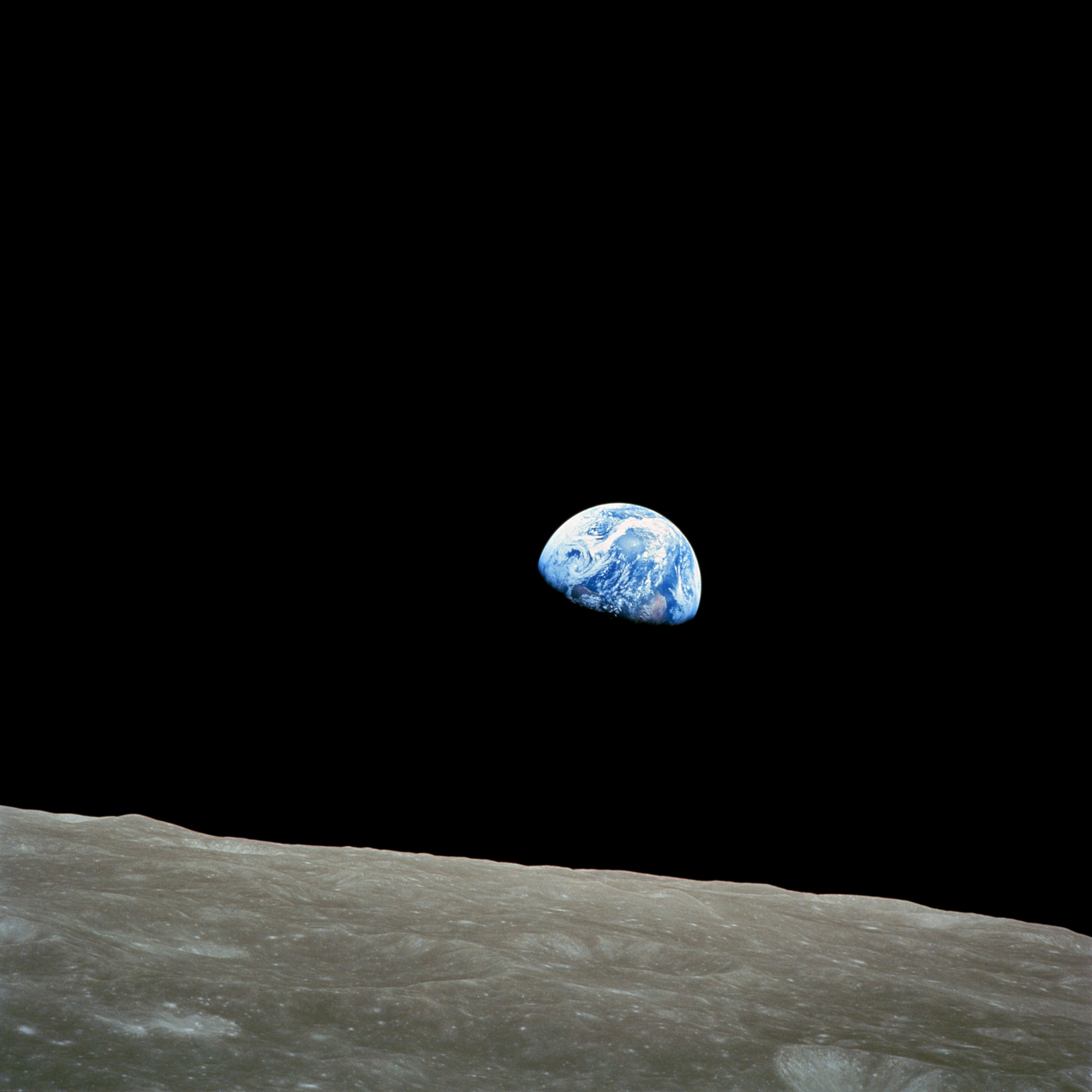
“Earthrise” was the first time people were able to look back at the Earth as part of a spacefaring species. The Earthrise image has been reproduced in a variety of contexts, including on a U.S. postage stamp. It fundamentally reshaped how people thought of their environment. Earth is still far and beyond the most habitable location in the solar system for life as we know it.
Unique Artemis II science
The Artemis II astronauts will be the first to see the lunar far side since the final Apollo astronauts left over 50 years ago. From the window of the Orion capsule, the Moon will appear at its largest to be about the size of a beach ball held at arm’s length.
Over the past decades, scientists have used orbiting satellites to image much of the lunar surface. Much imaging of the lunar surface has been accomplished, especially at high spatial resolution, by the lunar reconnaissance orbiter camera, LROC.
LROC is made up of a few different cameras. The LROC’s wide angle and narrow angle cameras have both captured images of more than 90% of the lunar surface. The LROC Wide Angle Camera has a resolution on the lunar surface of about 100 meters per pixel – with each pixel in the image being about the length of an American football field.
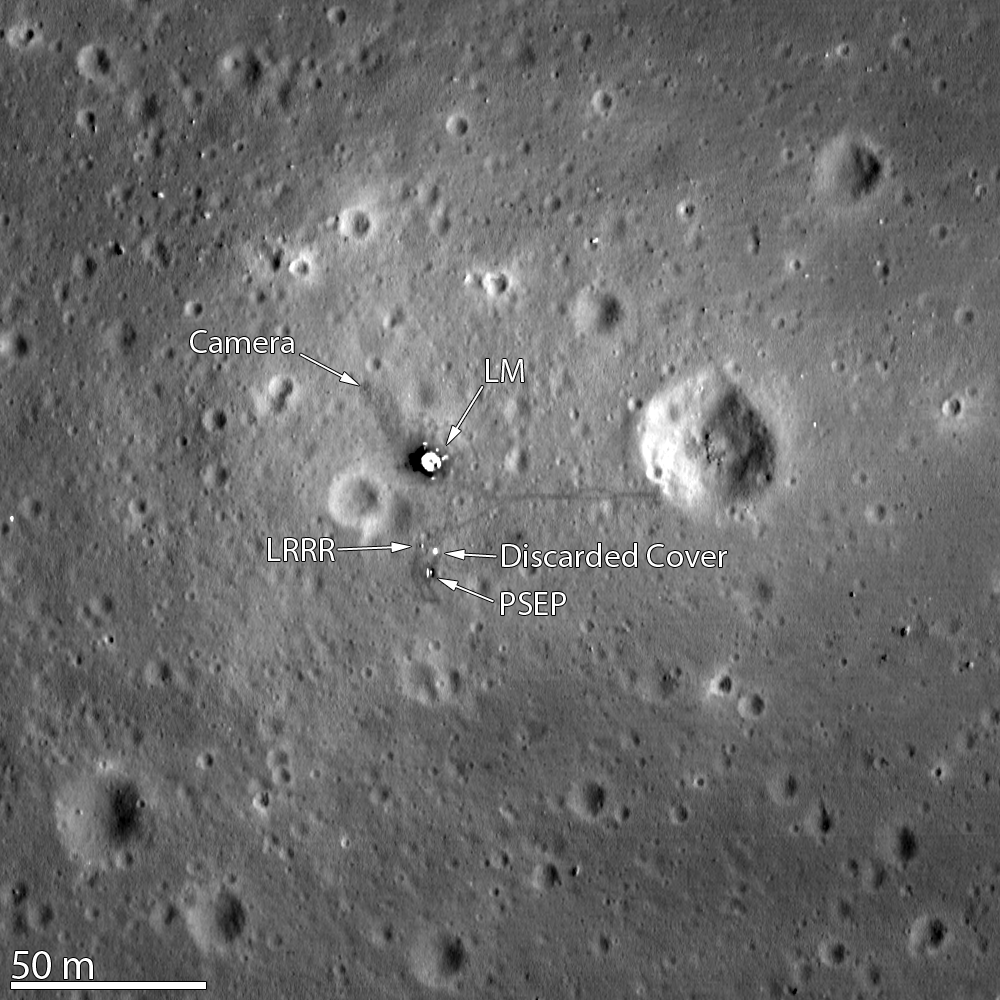
The LROC narrow angle camera provides about 0.5 to 2 meters per pixel resolution. This means the average person would fit within about the length of one pixel from the narrow angle camera’s orbital images. It can clearly see large rocks and the Apollo lunar landing sites.
If the robotic LROC has covered most of the lunar surface, why should the human crew of Artemis II look at it, at lower resolution?
Most images from space are not what would be considered “true” color, as seen by the human eye. Just like how the photos you take of an aurora in the night sky with a cellphone camera appear more dramatic than with the naked eye, the image depends on the wavelengths the detection systems are sensitive to.
Human astronauts will see the lunar surface in different colors than LROC. And something that human astronauts have that an orbital camera system cannot have is geology training. The Artemis II astronauts will make observations of the lunar far side and almost instantly interpret and adjust their observations.
The proceeding mission, Artemis III, which will include astronauts landing on the lunar surface, is currently scheduled to launch by 2028.
What’s next for Artemis II
The Artemis II crew capsule and SLS rocket are now waiting on the launchpad. Before launch, NASA still needs to complete several final checks, including testing systems while the rocket is fueled. These systems include the emergency exit for the astronauts in case something goes wrong, as well as safely moving fuel, which is made of hydrazine – a molecule made up of nitrogen and hydrogen that is incredibly energy-dense.
Completing these checks follows the old aerospace adage of “test like you fly.” They will ensure that the Artemis II astronauts have everything working on the ground before departing for the Moon.
This article is republished from The Conversation under a Creative Commons license.
EDITOR’S NOTE: This article was modified on Feb. 21 to denote the slippage of the launch date to no early than April, as well as the reason for the change.